Expanded Cinema by Gene Youngblood (1970), the first book to consider video as an art form, was influential in establishing the field of media arts.[citation needed] In the book he argues that a new, expanded cinema is required for a new consciousness. He describes various types of filmmaking utilising new technology, including film special effects,computer art, video art, multi-media environments and holography.
http://www.vasulka.org/Kitchen/PDF_ExpandedCinema/ExpandedCinema.html
DESCARGAR / DOWNLOAD
PASSWORD / CONTRASEÑA: cuandoeltiemposopla
Mostrando entradas con la etiqueta Descargas. Mostrar todas las entradas
martes, 28 de agosto de 2012
lunes, 27 de agosto de 2012
Bill Nichols - Introduction to Documentary (2001)
Introduction to Documentary provides a one-of-a-kind overview of the most important topics and issues in documentary history and criticism. Designed for students in any field that makes use of visual evidence and persuasive strategies, from the law to anthropology, and from history to journalism, this book spells out the distinguishing qualities of documentary. A wide-ranging and freewheeling form of filmmaking, documentary has not yet received a proper, written introduction to its public, or its future makers.
Introduction to Documentary is not organized as a history of the form although its examples span a century of filmmaking. Instead, this book offers suggestive answers to basic issues that have stood at the center of all debate on documentary from its very beginnings to today. Each chapter takes up a distinct question from "How did documentary filmmaking get started?" to "Why are ethical issues central to documentary?" These questions move through issues of ethics, form, modes, voice, history and politics, among others. A final chapter addresses the question of how to write about documentary in a clear, convincing manner. Introduction to Documentary provides the foundational key to further explorations in this exceptionally vital area of filmmaking today.
DESCARGAR / DOWNLOAD Bill Nichols - Introduction to Documentary (2001)
PASSWORD / CONTRASEÑA: cuandoeltiemposopla
martes, 15 de mayo de 2012
Pierre Bourdieu · Homo academicus
El libro donde Bourdieu se adentra en su mundo más cercano, el mundo académico francés. Un trabajo que llevó más de 20 años (fue publicado en 1984) y que presenta una complejidad tal que Wacquant recomienda leerlo “al final”, después de pasar por La distinción y El sentido práctico (que esperamos algún día leer y digitalizar).
Bourdieu y Wacquant dicen al respecto de este libro:
Loïc Wacquant: Comencemos con Homo academicus (Bourdieu 1988a), ya que es una obra que en muchos sentidos se encuentra en el epicentro de su proyecto sociológico (Wacquant 1990a; pp. 678-79). En ella, usted ofrece tanto una sociología empírica de la institución académica como un análisis de las dificultades y perplejidades epistemológicas implicadas en el análisis del propio universo. Podría pensarse que le resultó fácil escribir dicho libro, ya que trata acerca de los intelectuales franceses, mundo donde ha sido actor, y uno central, a lo largo de casi tres décadas. Ahora bien, muy por el contrario, de todos sus estudios Homo academicus parece ser el que más le costó en términos de tiempo, pensamiento, escritura y trabajo de investigación, como así también (y a mí me parece revelador) en términos de ansiedad: usted menciona en el prefacio su aprensión acerca de publicar un libro así, y dedica íntegramente el capítulo inicial a precaver, y precaverse, contra una gran variedad de lecturas equivocadas. ¿Por qué tanta dificultad?
Pierre Bourdieu: Es verdad que Homo academicus es un libro que guardé por largo tiempo en mis archivos porque temía que se me escapase y fuese leído de un modo opuesto a sus intenciones profundas, es decir, como un panfleto o como un instrumento de autoflagelación. Se corre siempre el gran peligro de perder el control de lo que uno escribe. Todo el mundo lo ha repetido desde la Séptima Epístola de Platón, pero este libro planteó problemas especiales en el momento de su publicación. Yo estaba sobrepasado por el temor de que los intereses de mis lectores -entre los que, dado lo que escribo, se cuenta una amplia mayoría de académicos- fuesen tan fuertes que todo el trabajo que yo había realizado para evitar esta clase de lectura espontánea quedase anulado, y que la gente rebajara al nivel de disputas dentro del campo académico un análisis cuyo propósito es objetivar esta competencia y, por tanto, dar al lector cierto dominio sobre ella. Homo academicus es un libro peculiar que acompaña el trabajo ordinario requerido por la objetivación científica de un trabajo -trabajo en el sentido psicoanalítico- sobre el sujeto de la objetivación. Al trabajar sobre dicho objeto, uno debe recordar constantemente que el sujeto mismo de la objetivación está siendo objetivado: los más rigurosos y brutales análisis objetivadores están escritos con una aguda conciencia del hecho de que se aplican a quien los está escribiendo. Y con el conocimiento, además, de que muchos de aquellos a los que involucra no pensarán ni por un momento que el autor de esta o aquella frase “cruel” los padece a la par de ellos. En consecuencia, denunciarán como crueldad gratuita lo que es en realidad un trabajo de anamnesis, un socioanálisis. (Aquí tengo en mente muchos pasajes que me distanciaron de algunos de mis mejores amigos. He tenido -pienso que esto no es de significación meramente anecdótica- encuentros muy dramáticos con colegas que percibieron de manera muy precisa la violencia de la objetivación pero que vieron una contradicción en el hecho de que yo pudiese objetivar sin pensar en mí mismo, cosa que por supuesto yo estaba haciendo todo el tiempo.)
LINK DE DESCARGA - DOWNLOAD LINK!
lunes, 16 de abril de 2012
Mapuche fotografías siglos XIX y XX: Construcción y montaje de un imaginario

Info procedente de: http://www.mapuche.info/docs/merc011209.html
Hace algunos años, en esta misma sección, Margarita Alvarado, presentando el proyecto de recuperación y estudio de la fotografía mapuche de los siglos XIX y XX, anunciaba la edición de un libro con fotografías y ensayos interpretativos, que las abordaran desde distintos aspectos. La investigación se planteó no sólo como un acopio de material fotográfico, sino también como un análisis del imaginario configurado en torno a éste, a consecuencia de la intensa circulación que han tenido estas fotos en toda clase de soportes, desde postales a poleras y páginas web. El libro "Mapuche: Fotografías del siglo XIX y XX. Construcción y montaje de un imaginario" finalmente ha sido publicado por editorial Pehuén como parte de la serie conmemorativa del Bicentenario.
El trabajo consta de dos partes, el conjunto del material fotográfico y los mencionados ensayos interpretativos. No está de más decir que la reunión de fotografías produce un gran impacto por sí sola y que incluso es probable que nunca antes se hayan reunido tantas imágenes mapuche en un solo libro. Sin embargo, resulta indispensable revisar los ensayos que las anteceden, ya que ellos, en su conjunto, logran cubrir las diversas facetas propuestas en la investigación.
Escenarios y poses
El primer ensayo del libro "Pose y Montaje en la fotografía mapuche. Retrato fotográfico, representación e identidad" de Margarita Alvarado es el que entrega la pauta de la investigación señalando los derroteros por los cuales se internarán los textos siguientes, al destacar cómo estas imágenes fotográficas, a pesar de todo lo artificioso y equívoco que puedan tener, han logrado transformarse en un referente fundamental para la ilustración, exhibición, defensa y proclamación de la identidad étnica mapuche. Según constató la autora, estas imágenes propuestas como verdad irrebatible responden finalmente a un montaje preparado por los llamados "fotógrafos fundadores", Christian Enrique Valck, Gustavo Milet y Odber Heffer. Estos técnicos se han convertido en los pioneros de la fotografía etnológica chilena y en los autores de los primeros testimonios fotográficos conocidos del mundo mapuche, a partir de una serie de trabajos compuestos según códigos estéticos y formales europeos y determinados por las condiciones técnicas que imponía la fotografía de la época. Ellos sacaron "retratos" individuales o grupales en su mayoría anónimos, sin ninguna referencia histórica, que más que personificar a un individuo, perseguían la representación global de una etnia. En este proceso implementaban lo que Margarita Alvarado denomina la "escena étnica" constituida por una instalación que pretendía reforzar el carácter exótico de lo retratado - el fotógrafo les ponía a las mujeres joyas de plata (trapelakucha, sikilo o trarülongko) como parte de una utilería necesaria para la apropiada escenificación de lo mapuche- y por una serie de poses exigidas.
Los demás ensayos de este libro indagan la forma en que estas imágenes han ido constituyéndose en un referente histórico y étnico fundándose en una serie de equívocos. En este sentido, Pedro Mege en su trabajo "La memoria Turbia de la Frontera" analiza, desde una perspectiva antropológica, "cómo estas fotos fueron capaces de activar toda la carga etnocéntrica de la sociedad chilena en relación con lo mapuche (...) basándose en dos autores que fueron protagónicos en relación con la construcción de la raza araucana: Tomás Guevara y Ricardo Latcham". Estas fotografías mapuches han circulado profusamente como ilustraciones de diversos trabajos nacionales dedicados a las ciencias sociales y Mege se pregunta qué clase de mecanismo operó entre los estudiosos para legitimar estas fotografías como "etnográficamente competentes" para ilustrar sus contenidos. De esta forma, Mege, utilizando la acepción de "lo ideológico" propuesta por Alvin W. Gouldner, esto es "un sistema de creencias que tiene presuntuosas e injustificadas pretensiones de cientificidad", sitúa a estas fotografías como el vehículo de toda la carga ideológica de la etnología de fines del siglo XIX y comienzos del XX, "la etapa más pedante y complaciente de las ciencias etnológicas". De acuerdo a Mege, las categorías que fijaron la lectura de estas imágenes y que habrían sido los móviles de esta temprana y persistente fascinación habrían sido: la obsesión por la raza pura, ya que estas fotos habrían evocado un estado de pureza étnica supuesto por el investigador; el primitivismo, al satisfacer la necesidad de un modelo historicista obsesionado con un pasado remoto y salvaje, y, por último, el arcaísmo, ya que los fotografiados aparecerían desprovistos de cualquier estigma de contaminación occidental.
Mege plantea que de alguna forma estas fotografías "en sepia" habrían ofrecido una imagen tranquilizadora del "otro" fijado en el tiempo, sumergido en el pasado. De la misma forma como una foto en colores resultaría inquietante por su actualidad y proximidad.
Sin embargo, en el ensayo siguiente, Patricio Toledo inserta estas imágenes, en su mayoría tomadas en el contexto del complejo proceso de pacificación de la Araucanía, en el proceso de reivindicación étnico actual revitalizado por los conflictos recientes. Toledo plantea que estas fotografías sean consideradas como una expresión visual de las relaciones entre las comunidades indígenas y el Estado chileno, a manera de una "frontera simbólica". En su ensayo se refiere particularmente al afiche de carácter étnico y a la manera como estas imágenes tantas veces reproducidas han terminado por convertirse en parte fundamental del proceso de reivindicación de identidad étnica en grupos de mapuches urbanos, uniendo de manera simbólica a todo un siglo de cultura mapuche. Toledo concluye que de esta manera se revertiría el sentido de estas fotos que representarían una cultura extinta, convirtiéndose en señales de un movimiento revitalizado.
Por su parte, Magaly Mella, en "La mirada del fotógrafo y la ensoñación de los capturados", uno de los ensayos más notables de esta reunión de textos que algunas veces caen en repeticiones o excesos retóricos, analiza y reconstruye las reacciones provocadas por la observación de éstas y otras fotografías más actuales en algunos miembros de la comunidad mapuche. Magaly Mella comprueba que la observación de estas fotografías provoca en los espectadores actuales discursos identitarios y demuestra la sorprendente decodificación cultural que hace el mapuche frente a las fotografías de su gente. Se presenta el caso notable de Rubén Miranda, único fotógrafo de "fotos de carné" en Cañete que en cierta forma ha revivido la experiencia de los antiguos fotógrafos pioneros de La Frontera retratando a sus congéneres, buscando rescatar la cultura de sus ancestros. Miranda, tal como alguna vez lo hizo Milet, fotografía preferentemente a mujeres mapuche, a quienes considera como la máxima expresión de la etnia; utiliza montajes con parafernalia representativa y no consigna el nombre de sus retratados, ya que su afán es retratar una cultura y no a individuos determinados. Magaly Mella incluye una serie de relatos de sus experiencias de campo, en los cuales se describe la impresión que causan entre algunos mapuches, principalmente viejos, la observación de fotografías tomadas el año anterior. Los testimonios que recogen son sorprendentes. Uno de ellos después de no haberse reconocido exclama "que viejo estaba yo en esa foto"; otro al ver una foto donde aparecía retratado pudo percibir a su hermano muerto: "mira, mi hermano no está muerto, mira donde está". Estos testimonios en los que se ve cómo la observación de estas fotos desata soprendentes torrentes de memoria individual y colectiva resfuerzan de manera definitiva la idea, tantas veces enunciada en estos ensayos, de que al mirar estas fotos estamos enfrentándonos al "otro".
¿Pagaban o les pagaban?
Los alcances técnicos de la construcción de estas imágenes son abordados por Gastón Carreño en su ensayo "Metales y Alquimia", donde analiza a las tres figuras que intervienen en este proceso: el fotógrafo, el sujeto retratado y los espectadores. Es a propósito de los retratados donde Carreño se plantea una serie de inquietudes que surgen al ver las fotos de este libro. ¿Los retratados pagaban por estas fotos o se les pagaba por posar? ¿Se les daba una copia? ¿Eran apreciadas o no en las comunidades de la época? ¿A quiénes estaban de verdad destinadas? Al respecto, una digresión: se puede acotar que el historiador Alain Corbain señala en sus estudios sobre la vida privada europea que a partir de 1890 se formaron "inumerables colecciones de tarjetas postales", como una proyección más popular del gusto de las elites por las colecciones y los pequeños museos privados. Es presumible que los destinatarios de estas postales de un lugar tan remoto hayan sido europeos inclinados por lo exótico. Tampoco hay que olvidar que como señala Gustave Verniory en sus recuerdos, contemporáneos a estas fotos, para muchos capitalinos la región de la frontera era un territorio salvaje equiparado al corazón de África o a Australia. (En los recuerdos de Verniory aparece fugazmente el fotógrafo y explorador belga Victor Jottrand, quien habría tomado una gran cantidad de placas de escenas indígenas curiosas y que terminó dando conferencias en Bruselas sobre la vida en la Araucanía donde sólo estuvo de paso).
En su ensayo, Gastón Carreño detalla una serie de aspectos técnicos que es necesario tomar en cuenta al mirar estas fotografías, como por ejemplo, que los trípodes de la época permitían una variación de no más de 20 grados, lo que explica muchas semejanzas formales o la preferencia por las tomas en estudio, que entonces tenían tejados de vidrio - como tantos de nosotros- y lo difícil que era para los fotográfos andar con un verdadero laboratorio a cuestas, para poder evitar que se secaran las placas de la calotipia.
"Así fueron, así son. Así fuimos, así somos", es el título del ensayo de Christian Báez que cierra la serie. En él se describe el proceso de búsqueda de fotografías, el origen de muchas de ellas y algunas de las circunstancias de su circulación en diversas publicaciones chilenas y extranjeras. Báez detalla las orientaciones que se tomaron en cuenta para la recopilación de material fotográfico y luego presenta algunas reacciones obtenidas en trabajos de campo. Entre las orientaciones enunciadas destaca Báez que a partir de las 500 fotos reunidas se procuró determinar las imágenes claves en la formación del arquetipo visual mapuche y detallar el proceso de circulación de las fotos en distintos soportes. Se detectaron 150 registros de publicaciones; el 80% de esta cifra en textos y el resto en diversos medios tales como afiches, poleras y etiquetas.
Los formatos más recurridos de las fotografías son las tarjetas de visita, cabinet y postales, estas últimas abarcan un 25% de los registros. Báez precisa los elementos o implementos mapuches que más se repiten en las fotos con el fin de determinar cuáles de estos serían los más representativos de la "mapuchicidad" - la expresión es suya. El 66% de las fotos representa a mujeres ataviadas con su vestimenta más ceremonial, dentro o fuera de la ruka, ante un telar, o con una cuna - küpilwe- a sus pies, tocando el kultrún, o moliendo el grano en morteros de piedra, muchas de ellas en el estudio del fotógrafo dándole la espalda a un fondo blanco o pintado con abedules bucólicos, bosques brumosos de parqueseuropeos, con maceteros floridos y caminitos de maicillo
DESCARGAR - DOWNLOAD
Etiquetas:
Descargas,
Margarita Alvarado,
Pedro Mege Rosso,
Texto
martes, 3 de abril de 2012
Dziga Vertov: Defining Documentary Film

Autor Jeremy Hicks
Edición ilustrada
Editor I.B.Tauris, 2007
ISBN 1845113772, 9781845113773
N.º de páginas 194 páginas
Pioneer of political documentary and inventor of cin ma v rite, Dziga Vertovhas exerted a decisive influence on directors from Eisenstein to Godard. Yet his reputation long rested upon a lone masterpiece, Man with a Movie Camera. Recently, however Vertov has begun to be recognised as the creator of a body of innovative and distinct films and, as Jeremy Hicks argues, documentary as we know it today is unthinkable without the rediscovery of Vertov. This, the first book in English to cover the whole of Vertov's career, reveals him to be an auteur, allowing readers to combine the familiar and less familiar aspects of his filmmaking and thinking in a cohesive narrative. Jeremy Hicks demonstrates how Vertov draws on Soviet journalistic models for his transformation of newsreel into the new form of documentary film. Through analyses of Cine-Pravda No 21(Leninist Cine-Pravda), Cine-Eye, Forward Soviet!, A Sixth Part of the Earth, The Eleventh Year, Man with a Movie Camera, Enthusiasm, Three Songs of Lenin, and Lullaby, he shows how Vertov's greatest works combine authentic documentary footage ingeniously for tremendous rhetorical effect. Today, with the energetic revival of interest in documentary film, Vertov's reflexive and overtly partisan films are of great relevance; but they need to be better known and understood. This is the purpose of Dziga Vertov - Defining Documentary Film.
DESCARGAR - DOWNLOAD
miércoles, 28 de marzo de 2012
Cine, performatividad y resistencia. Apuntes para la crítica del documental indigenista en Ecuador - Christian León
Resumen
Sujeción, performatividad e indigenismo
En los años 1970 y 1980 hay un boom de documental indigenista en el Ecuador. En este periodo se produce un conjunto de películas que da cuenta del proyecto de nación al que aspiraban los mestizos como estrategia de modernización y sus tensiones con el naciente movimiento indígena. La filmografía de la época configura un tercer y último momento del discurso indigenista en el cine ecuatoriano. Luego de los trabajos de los pioneros filmados en los años 1920 y de la etapa de producción extranjera de 1950 y 1960, el documental indigenista alcanza su apogeo al amparo de la política nacionalista implementada por el Estado a partir de 1972. Desde entonces los cineastas mestizos, en colaboración con distintas entidades estatales, producen una gran cantidad de películas de temática indígena, emulando lo sucedido con anterioridad en la literatura y pintura del siglo XX. Esta producción surge paradójicamente acompañada de circunstancias que presagian la crisis del filme indigenista. Los realizadores mestizos ven resquebrajarse los fundamentos que legitimaron su obra por efecto de tres factores: el agotamiento del paradigma nacionalista, la irrupción del movimiento indígena y la democratización de tecnología audiovisual a partir de la utilización de formato de video.
Continuar... PDF
Sujeción, performatividad e indigenismo
En los años 1970 y 1980 hay un boom de documental indigenista en el Ecuador. En este periodo se produce un conjunto de películas que da cuenta del proyecto de nación al que aspiraban los mestizos como estrategia de modernización y sus tensiones con el naciente movimiento indígena. La filmografía de la época configura un tercer y último momento del discurso indigenista en el cine ecuatoriano. Luego de los trabajos de los pioneros filmados en los años 1920 y de la etapa de producción extranjera de 1950 y 1960, el documental indigenista alcanza su apogeo al amparo de la política nacionalista implementada por el Estado a partir de 1972. Desde entonces los cineastas mestizos, en colaboración con distintas entidades estatales, producen una gran cantidad de películas de temática indígena, emulando lo sucedido con anterioridad en la literatura y pintura del siglo XX. Esta producción surge paradójicamente acompañada de circunstancias que presagian la crisis del filme indigenista. Los realizadores mestizos ven resquebrajarse los fundamentos que legitimaron su obra por efecto de tres factores: el agotamiento del paradigma nacionalista, la irrupción del movimiento indígena y la democratización de tecnología audiovisual a partir de la utilización de formato de video.
Continuar... PDF
viernes, 2 de marzo de 2012
Rouch in Reverse - Manthia Diawara (1985)

Duración: 52
Idioma: Ingles, Trances (Subtitulo en ingles incrustado)
País: Francia, Alemania
IMDb Link: http://www.imdb.com/title/tt0210262/
Director: Manthia Diawara
Description: Rouch in Reverse is the first film to look at European anthropology from an African perspective. Malian filmmaker and New York University professor, Manthia Diawara's provocative new film critiques visual anthropology through the work of Jean Rouch, perhaps the most distinguished ethnographic filmmaker living today. The resulting cross-cultural encounter is alternatively affectionate, strained, personal but always insightful - a film no one committed to a truly multi-cultural social science can afford to miss.
In this film, Diawara pioneers what he calls "reverse anthropology" - where the subjects of investigation study their former investigators. He explains: "I made this film on Rouch as a rite of passage for myself. Rouch has played such a key role in the representation of Africans on film. I wanted to pass through Rouch in order to render visible new African voices and images: the ones that defy stereotype and primitivism."
Diawara locates Rouch at the epicenter of 20th century ethnography as a collaborator in the Presence Africaine group with Michel Leiris and Marcel Griaule and as a founder of the cinema verite documentary movement. The two filmmakers discuss their sometimes contrasting views of clips from such seminal but rarely seen works as Rouch's Les maitres fous (The Mad Masters), Moi, un noir (Treichville) and Chronique d'ete (Chronicle of a Summer). Reflecting on Rouch's forty films, Diawara notes that the same European technology which preserved and appropriated traditional African cultures on film destroyed these same societies.
A cross-section of African intellectuals living in Paris discuss the difficulty of developing identities, simultaneously African and modern, in a society which persists in seeing them as "primitive." Rouch in Reverse enters into a vigorous intertextual dialogue with 20th century ethnography to decenter these familiar images so contemporary Africans can create their own version of the past and the present.


LINK DE DESCARGA - DOWNLOAD LINK:
http://cramit.in/hp8ypcn2rdcx
Gracias a Nala / Thanks a lot Nala
viernes, 10 de febrero de 2012
La Ricerca Folklorica (No. 3 (Apr. 1981) - Antropologia visiva. Il Cinema

Artículos incluidos / Articles included:
-Etnografia e cinema - Jean Rouch
-I fondamenti di un'antropologia filmica - Claudine de France
-Il documentario etnografico demartiniano - Clara Gallini
-Il Super 8 (un taccuino visivo) - Italo Sordi
-La cinematografia etnografica - Paul Hockings
-L'intervista e il documentario etnografico - Bruno Pianta
-Pratica e teoria nel film etnografico italiano (prime osservazioni) - Diego Carpitella
LINK DE DESCARGA
DOWNLOAD LINK
Etiquetas:
Descargas,
Jean Rouch,
Paul Hockings,
Texto
La Ricerca Folklorica (No. 2 (Oct. 1980) - Antropologia visiva: La fotografia

Artículos incluidos / Articles included:
-Apprendimento dell'antropologia visiva - John Collier & Bruno Pianta
-Fotografia (tra documento e interpretazione) - Enzo Minervini
-Fotografia e disegno nella ricerca etnografica -Giuseppe Sebesta
-Franco Pinna e la fotografia etnografica - Diego Carpitella
-Il fotografo e l'antropologo - Ferdinando Scianna
-Il gesto del narratore e la sua immagine - Geneviève Calame Griaule & Edmond Bernus
-La fotografia come metodo antropologico - Carole Counihan & Italo Sordi
-La ricerca a prova d'idiota - Bruno Pianta
-L'antropologia visiva in una disciplina di parole - Margaret Mead & Paola Capriolo
-Note sulla specificità d'uso della multivisione - Arno Hooft Graafland
LINK DE DESCARGA
DOWNLOAD LINK
miércoles, 8 de febrero de 2012
Recopilación de articulos de Jay Ruby

Artículos incluidos / Articles included:
-A Future for Ethnographic Film
-AN ANTHROPOLOGICAL CRITIQUE OF THE FILMS OF ROBERT GARDNER
-SPEAKING FOR, SPEAKING ABOUT, SPEAKING WITH, OR SPEAKING ALONGSIDE - AN ANTHROPOLOGICAL AND DOCUMENTARY DILEMMA
-The Image Mirrored - Reflexivity and the Documentary Film
-Visual Anthropology—Film as a Means of Presenting Man
LINK DE DESCARGA
DOWNLOAD LINK
martes, 7 de febrero de 2012
Recopilación de articulos de Jean Rouch

Artículos incluidos / Articles included:
-Of Mimicry and White Man (A Psychoanalysis of Jean Rouch's Les maîtres fous)
-Jean Rouch Talks about His Films to John Marshall and John W. Adams
-Jean Rouch et la naissance de l'anthropologie visuelle (Brève histoire du Comité international)
-Jean Rouch - Cinéma et Ethnographie
-Ciné-Transe -The Vision of Jean Rouch (An Interview)
LINK DE DESCARGA
DOWNLOAD LINK
viernes, 3 de febrero de 2012
Recopilación de articulos de David MacDougall

Artículos incluidos / Articles included:
-From Ethnography to Metaphor - Recent Films from David and Judith MacDougall
-Prospects of the Ethnographic Film
-Radically Empirical Documentary - An Interview with David and Judith MacDougall
-Reframing Ethnographic Film (A Conversation with David MacDougall and Judith)
-Renewing Ethnographic Film - Is Digital Video Changing the Genre
-Unprivileged Camera Style
-When Less Is Less (The Long Take in Documentary)
Etiquetas:
David MacDougall,
Descargas,
Judith MacDougall,
Texto
jueves, 2 de febrero de 2012
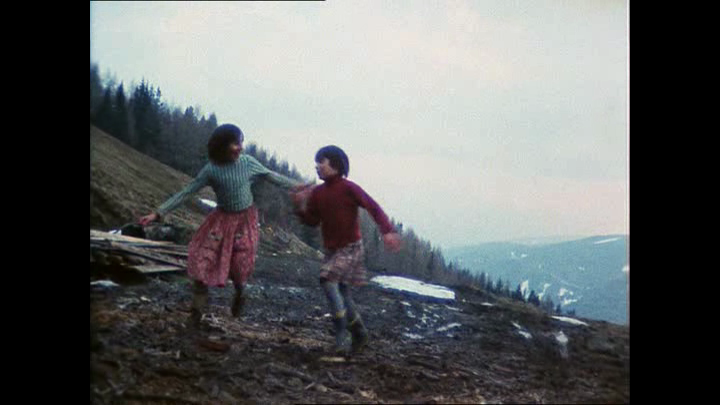
Himmel und Erde - Michael Pilz (1983)

Duración: 136
Idioma: Alemán con subtitulos en Ingles incrustados.
País: Austria
IMDb Link: http://www.imdb.com/title/tt0084076/
Director: Michael Pilz
Description: Michael Pilz's 285-minute Himmel and Erde is an essay film or an ethnographic documentary. It contemplates the finite lot of individuals as part of a continuum of human experience in the natural world.
Himmel und Erde, translatable as Heaven and Earth, was recorded between 1979 and 1982. The documentary invites the viewer to contemplate the disruptive effects of technology on economic and social ties through circumscribed vignettes of village life which are oft repeated either as recycled footage or variations on a theme. The repeated vignettes explore the village school and schoolchildren, the farm and farm life, logging and road building, and the social life of the tavern and church.
The schoolyard boys dream of being mechanics and electricians and imagine one day shipping their fathers off to retirement homes, their fathers lament the demise of farming as an economically viable vocation, and the community as a whole mourns those families compelled to move away to seek livelihoods elsewhere...
I'd say, if somebody is interested in what is autentcity, this is it. In a very poetic way: The language, the photography, even the movement is put in a way one can feel the position of the human beeing between heaven and earth, between nature and technique and alienation and originality – and many jolly moments.


PARTE 1
Download Links:
Links de descarga:
https://rapidshare.com/files/400117259/HIMMEL_UND_ERDE_-_DVD_1.part03.rar
https://rapidshare.com/files/201125607/HIMMEL_UND_ERDE_-_DVD_1.part01.rar
https://rapidshare.com/files/1701917060/HIMMEL_UND_ERDE_-_DVD_1.part02.rar
https://rapidshare.com/files/1063300848/HIMMEL_UND_ERDE_-_DVD_1.part05.rar
https://rapidshare.com/files/1135919125/HIMMEL_UND_ERDE_-_DVD_1.part08.rar
https://rapidshare.com/files/1631542168/HIMMEL_UND_ERDE_-_DVD_1.part07.rar
https://rapidshare.com/files/122992977/HIMMEL_UND_ERDE_-_DVD_1.part06.rar
https://rapidshare.com/files/2495168503/HIMMEL_UND_ERDE_-_DVD_1.part04.rar
https://rapidshare.com/files/1302634215/HIMMEL_UND_ERDE_-_DVD_1.part15.rar
https://rapidshare.com/files/1328792952/HIMMEL_UND_ERDE_-_DVD_1.part13.rar
https://rapidshare.com/files/1086411096/HIMMEL_UND_ERDE_-_DVD_1.part12.rar
https://rapidshare.com/files/414524117/HIMMEL_UND_ERDE_-_DVD_1.part16.rar
https://rapidshare.com/files/2582257765/HIMMEL_UND_ERDE_-_DVD_1.part14.rar
https://rapidshare.com/files/291845685/HIMMEL_UND_ERDE_-_DVD_1.part11.rar
https://rapidshare.com/files/1511978311/HIMMEL_UND_ERDE_-_DVD_1.part10.rar
https://rapidshare.com/files/409731162/HIMMEL_UND_ERDE_-_DVD_1.part09.rar
https://rapidshare.com/files/3451330226/HIMMEL_UND_ERDE_-_DVD_1.part17.rar
https://rapidshare.com/files/2060744739/HIMMEL_UND_ERDE_-_DVD_1.part18.rar
PARTE 2
Download Links:
Links de descarga:
https://rapidshare.com/files/3644752812/HIMMEL_UND_ERDE_-_DVD2.part05.rar
https://rapidshare.com/files/3500357522/HIMMEL_UND_ERDE_-_DVD2.part03.rar
https://rapidshare.com/files/1286380274/HIMMEL_UND_ERDE_-_DVD2.part04.rar
https://rapidshare.com/files/4037783418/HIMMEL_UND_ERDE_-_DVD2.part06.rar
https://rapidshare.com/files/3976649352/HIMMEL_UND_ERDE_-_DVD2.part01.rar
https://rapidshare.com/files/2528794952/HIMMEL_UND_ERDE_-_DVD2.part02.rar
https://rapidshare.com/files/2321013517/HIMMEL_UND_ERDE_-_DVD2.part19.rar
https://rapidshare.com/files/2522504217/HIMMEL_UND_ERDE_-_DVD2.part17.rar
https://rapidshare.com/files/2387939945/HIMMEL_UND_ERDE_-_DVD2.part15.rar
https://rapidshare.com/files/2532171298/HIMMEL_UND_ERDE_-_DVD2.part16.rar
https://rapidshare.com/files/3532568424/HIMMEL_UND_ERDE_-_DVD2.part18.rar
https://rapidshare.com/files/2822399401/HIMMEL_UND_ERDE_-_DVD2.part14.rar
https://rapidshare.com/files/2204195775/HIMMEL_UND_ERDE_-_DVD2.part13.rar
https://rapidshare.com/files/2999136673/HIMMEL_UND_ERDE_-_DVD2.part12.rar
https://rapidshare.com/files/2898236791/HIMMEL_UND_ERDE_-_DVD2.part11.rar
https://rapidshare.com/files/1440425229/HIMMEL_UND_ERDE_-_DVD2.part10.rar
https://rapidshare.com/files/4202787646/HIMMEL_UND_ERDE_-_DVD2.part09.rar
https://rapidshare.com/files/2570880728/HIMMEL_UND_ERDE_-_DVD2.part08.rar
https://rapidshare.com/files/938909750/HIMMEL_UND_ERDE_-_DVD2.part07.rar
Muchas gracias a Toternussbaum!
Thanks a lot to Toternussbaum!
martes, 31 de enero de 2012
The Anthropology of Art: A Reader - Howard Morphy & Morgan Perkins
Para Marina ;)

This anthology provides a single-volume overview of the essential theoretical debates in the anthropology of art. Drawing together significant work in the field from the second half of the twentieth century, it enables readers to appreciate the art of different cultures at different times.
* Advances a cross-cultural concept of art that moves beyond traditional distinctions between Western and non-Western art.
* Provides the basis for the appreciation of art of different cultures and times.
* Enhances readers' appreciation of the aesthetics of art and of the important role it plays in human society.
Foundations and framing the discipline (articles by Franz Boas, Claude Lévi-Strauss, William Fagg, Gregory Bateson, Raymond Firth and Anthony Forge); Primitivism, art, and artifacts (William Rubin, Arthur C. Danto, James Clifford, Sally Price, Craig Clunas, Susan Vogel, Alfred Gell); Aesthetics across cultures (Robert Farris Thompson, Heather Lechtman, Jeremy Coote, Howard Morphy); Form, style, and meaning (Nancy D. Munn, Abraham Rosman, Paula G. Rubel, Aldona Jonaitis, David M. Guss, Michael O´Hanlon); Marketing culture (Nelson H.H. Graburn); Ruth B. Phillips; Christopher B. Steiner); Contemporary stists (Nicholas Thomas, Fred Myers, Gordon Bennett, Charlotte Towsend-Gault, Jolene Rickard).
Until the recent past, the study of art remained on the margins of anthropology research, due in part to the narrow concept of what constituted 'art' in western societies. Today, the central place of art as the focus for anthropological research, its inclusion in museum collections and its pivotal role in display underpins the new-found acceptance of its relevance as a category for cross-cultural analyses. Such studies can provide the means to develop an understanding of the art within our own society alongside that of other places and times.
The Anthropology of Art is the seventh in a series of international readers published by Blackwell Anthologies in Social and Cultural Anthropology. Each edited volume aims to draw readings from the most significant scholarly work in each sub-discipline of anthropology — in this case the study of art. Volumes in the series provide both a foundation and overview for students, researchers and general readers, introduce theoretical debates, and illuminate the new directions in which anthropology is moving today.
As is customary, the back cover of this volume is emblazoned with 'bites' of lavish praise garnered from pre-publication reviews, including such phrases as 'near-perfect book', 'essential reader' and 'superb compilation'. I therefore opened the book with great expectations. In the comprehensive introduction, the editors place the study of art against a historical overview of anthropology and art history studies, tackle the hoary issue of appropriate cross-cultural definitions of 'art', the universality of aesthetics, and identify some of the major debates and issues within the discipline. Among the most recent changes to which the editors draw attention, and of particular significance to many readers of reCollections, are the ways that altered anthropological views on the study of art have impacted on the role of museums and art galleries as repositories of cultural artefacts. Such institutions are now more commonly perceived as 'valued repositories of cultural and historical archives', allowing for 'a reanalysis of contact history, colonial processes, changes in material culture and so on' (p. 20). Further, such collections have enabled Indigenous peoples to 'rediscover their pasts' and challenge stereotypical images of the present (p. 20). The editors identify a number of American museums where such changes of view have led to cross-cultural collaboration, resulting in the incorporation of Indigenous systems of knowledge into present-day museum practice. The increasing engagement of contemporary artists with institutional staff and researchers also differs from past practice, where objects were collected without the participation of the producer. This fresh approach provides broader potential for those studying the objects and artefacts produced.
Divided into six parts, the 30 chapters that make up the volume are drawn from previously published books and papers. Each chapter has been judiciously chosen to illustrate the salient points outlined by the editors in the brief essay that introduces each part. In this way the reader, whether novice or expert, is guided through the following chapters and is more able to identify the relevant theoretical issues and concepts covered in each paper.
Part I, titled 'Foundations and framing the discipline', includes classic readings that illustrate the scope of early anthropological approaches to the study of art. Chapters by Franz Boas on the art of Indians of the Pacific Coast of North America, Claude Lévi-Strauss on Asian and American art, and Raymond Firth on the art of the Tikopia in the Solomon Islands also reflect issues pertinent to the wider anthropological studies of that period. While some of the assumptions and theoretical approaches adopted may seem outmoded today, it is on the shoulders of such scholars that the discipline stands.
The compilation of chapters in Part II, 'Primitivism, art, and artifacts', is selected from more recent publications, but addresses issues that have remained central to the study and display of art throughout the twentieth century. Based on specific exhibitions, the authors explore the tension between the conceptualisation of objects as either art or artefact, the relationship between form and function (e.g. chapters by Susan Vogel and Alfred Gell) and the juxtaposition of modern art alongside ethnographic collections. Arthur C Danto's and James Clifford's contributions highlight the influence that museum and gallery curators can exercise in moulding the perceptions of their audiences by the ways they conceptualise and display material culture.
In Part III, 'Aesthetics across cultures', Morphy suggests that the term aesthetics implies a scale of judgement within a society: an awareness of which aspects of material culture might affect the senses. In the case of the Yolngu of Arnhem Land, the qualities of shimmering brilliance in a painting are deemed pleasing, while for the Yoruba of Subsaharan Africa, criteria on which sculptures are judged include delicacy, roundedness and ephebism — the depiction of people in their prime (see chapter by Robert Farris Thompson). The form of material culture assessed for an aesthetic criterion is extended by Jeremy Coote to include 'everyday visions' of societies otherwise poor in objects more commonly selected for analysis. Coote reviews aesthetic perceptions of cattle, central to the economic and spiritual worlds of the Nilotes from Sudan. The Nilotes' evaluations will resonate with anyone familiar with the pithy discussions of seasoned, stud cattle breeders from the Australian bush.
Part IV, 'Form, style, and meaning', covers areas fundamental to the study of art, whether it be from an art historian's perspective or that of the archaeologist or anthropologist. The editors have astutely selected readings to illustrate a variety of approaches that can be adopted in the analysis of these aspects of art. While emphasising the importance of studying form in the context of its production (e.g. chapters by Nancy Munn and David Guss), the editors also flag the value of analyses of museum collections. Formal analyses provide an opportunity to broaden studies beyond the limitations imposed by fieldwork, and can address questions of chronological or stylistic change not otherwise evident.
In Part V, 'Marketing culture', Ruth Phillips, in a chapter reminiscent of several in Part II, explores the ways in which American Indian curiosities and souvenirs have traditionally been displayed in museums, and concludes that the form and content of such exhibitions reflects the value system of the colonising society, rather than that of the producers. Each of the authors in Part V addresses some part of the complex and sometimes indirect interplay between artist, dealer and the ultimate consumer, whether individual collector, tourist or institution. Such interplay, especially when it is economically driven, frequently results in the adoption of new materials or the modification of form, as artists strive to balance the aesthetics of the purchaser with their own.
The final chapters presented in Part VI, 'Contemporary artists', elaborate and draw together themes introduced in the earlier parts of the volume, but generally focus on today's Indigenous artists who engage with the western art establishment. Such cross-cultural interaction is mediated, manipulated and motivated in complex ways. Fred Myers investigates the ways that the acrylic paintings of the Pintupi people from Australia's Western Desert, have come to represent 'Aboriginal culture' despite being produced in non-indigenous materials. In contrast, Gordon Bennett, an Aboriginal artist, critiques the stereotypical visual imagery used to create a concept of Aboriginality.
After reading the volume, I share the enthusiasm of earlier reviewers. It is indeed a superb compilation of papers: an essential reader for anthropologists, art historians, museum and gallery professionals, and anyone with an interest in art. The editors have presented a comprehensive overview of the sub-discipline in a format that guides the reader through the major issues. With art now firmly established as an area of anthropological study, it is a timely contribution — a near perfect book.
LINK DE DESCARGA
DOWNLOAD LINK

This anthology provides a single-volume overview of the essential theoretical debates in the anthropology of art. Drawing together significant work in the field from the second half of the twentieth century, it enables readers to appreciate the art of different cultures at different times.
* Advances a cross-cultural concept of art that moves beyond traditional distinctions between Western and non-Western art.
* Provides the basis for the appreciation of art of different cultures and times.
* Enhances readers' appreciation of the aesthetics of art and of the important role it plays in human society.
Foundations and framing the discipline (articles by Franz Boas, Claude Lévi-Strauss, William Fagg, Gregory Bateson, Raymond Firth and Anthony Forge); Primitivism, art, and artifacts (William Rubin, Arthur C. Danto, James Clifford, Sally Price, Craig Clunas, Susan Vogel, Alfred Gell); Aesthetics across cultures (Robert Farris Thompson, Heather Lechtman, Jeremy Coote, Howard Morphy); Form, style, and meaning (Nancy D. Munn, Abraham Rosman, Paula G. Rubel, Aldona Jonaitis, David M. Guss, Michael O´Hanlon); Marketing culture (Nelson H.H. Graburn); Ruth B. Phillips; Christopher B. Steiner); Contemporary stists (Nicholas Thomas, Fred Myers, Gordon Bennett, Charlotte Towsend-Gault, Jolene Rickard).
Until the recent past, the study of art remained on the margins of anthropology research, due in part to the narrow concept of what constituted 'art' in western societies. Today, the central place of art as the focus for anthropological research, its inclusion in museum collections and its pivotal role in display underpins the new-found acceptance of its relevance as a category for cross-cultural analyses. Such studies can provide the means to develop an understanding of the art within our own society alongside that of other places and times.
The Anthropology of Art is the seventh in a series of international readers published by Blackwell Anthologies in Social and Cultural Anthropology. Each edited volume aims to draw readings from the most significant scholarly work in each sub-discipline of anthropology — in this case the study of art. Volumes in the series provide both a foundation and overview for students, researchers and general readers, introduce theoretical debates, and illuminate the new directions in which anthropology is moving today.
As is customary, the back cover of this volume is emblazoned with 'bites' of lavish praise garnered from pre-publication reviews, including such phrases as 'near-perfect book', 'essential reader' and 'superb compilation'. I therefore opened the book with great expectations. In the comprehensive introduction, the editors place the study of art against a historical overview of anthropology and art history studies, tackle the hoary issue of appropriate cross-cultural definitions of 'art', the universality of aesthetics, and identify some of the major debates and issues within the discipline. Among the most recent changes to which the editors draw attention, and of particular significance to many readers of reCollections, are the ways that altered anthropological views on the study of art have impacted on the role of museums and art galleries as repositories of cultural artefacts. Such institutions are now more commonly perceived as 'valued repositories of cultural and historical archives', allowing for 'a reanalysis of contact history, colonial processes, changes in material culture and so on' (p. 20). Further, such collections have enabled Indigenous peoples to 'rediscover their pasts' and challenge stereotypical images of the present (p. 20). The editors identify a number of American museums where such changes of view have led to cross-cultural collaboration, resulting in the incorporation of Indigenous systems of knowledge into present-day museum practice. The increasing engagement of contemporary artists with institutional staff and researchers also differs from past practice, where objects were collected without the participation of the producer. This fresh approach provides broader potential for those studying the objects and artefacts produced.
Divided into six parts, the 30 chapters that make up the volume are drawn from previously published books and papers. Each chapter has been judiciously chosen to illustrate the salient points outlined by the editors in the brief essay that introduces each part. In this way the reader, whether novice or expert, is guided through the following chapters and is more able to identify the relevant theoretical issues and concepts covered in each paper.
Part I, titled 'Foundations and framing the discipline', includes classic readings that illustrate the scope of early anthropological approaches to the study of art. Chapters by Franz Boas on the art of Indians of the Pacific Coast of North America, Claude Lévi-Strauss on Asian and American art, and Raymond Firth on the art of the Tikopia in the Solomon Islands also reflect issues pertinent to the wider anthropological studies of that period. While some of the assumptions and theoretical approaches adopted may seem outmoded today, it is on the shoulders of such scholars that the discipline stands.
The compilation of chapters in Part II, 'Primitivism, art, and artifacts', is selected from more recent publications, but addresses issues that have remained central to the study and display of art throughout the twentieth century. Based on specific exhibitions, the authors explore the tension between the conceptualisation of objects as either art or artefact, the relationship between form and function (e.g. chapters by Susan Vogel and Alfred Gell) and the juxtaposition of modern art alongside ethnographic collections. Arthur C Danto's and James Clifford's contributions highlight the influence that museum and gallery curators can exercise in moulding the perceptions of their audiences by the ways they conceptualise and display material culture.
In Part III, 'Aesthetics across cultures', Morphy suggests that the term aesthetics implies a scale of judgement within a society: an awareness of which aspects of material culture might affect the senses. In the case of the Yolngu of Arnhem Land, the qualities of shimmering brilliance in a painting are deemed pleasing, while for the Yoruba of Subsaharan Africa, criteria on which sculptures are judged include delicacy, roundedness and ephebism — the depiction of people in their prime (see chapter by Robert Farris Thompson). The form of material culture assessed for an aesthetic criterion is extended by Jeremy Coote to include 'everyday visions' of societies otherwise poor in objects more commonly selected for analysis. Coote reviews aesthetic perceptions of cattle, central to the economic and spiritual worlds of the Nilotes from Sudan. The Nilotes' evaluations will resonate with anyone familiar with the pithy discussions of seasoned, stud cattle breeders from the Australian bush.
Part IV, 'Form, style, and meaning', covers areas fundamental to the study of art, whether it be from an art historian's perspective or that of the archaeologist or anthropologist. The editors have astutely selected readings to illustrate a variety of approaches that can be adopted in the analysis of these aspects of art. While emphasising the importance of studying form in the context of its production (e.g. chapters by Nancy Munn and David Guss), the editors also flag the value of analyses of museum collections. Formal analyses provide an opportunity to broaden studies beyond the limitations imposed by fieldwork, and can address questions of chronological or stylistic change not otherwise evident.
In Part V, 'Marketing culture', Ruth Phillips, in a chapter reminiscent of several in Part II, explores the ways in which American Indian curiosities and souvenirs have traditionally been displayed in museums, and concludes that the form and content of such exhibitions reflects the value system of the colonising society, rather than that of the producers. Each of the authors in Part V addresses some part of the complex and sometimes indirect interplay between artist, dealer and the ultimate consumer, whether individual collector, tourist or institution. Such interplay, especially when it is economically driven, frequently results in the adoption of new materials or the modification of form, as artists strive to balance the aesthetics of the purchaser with their own.
The final chapters presented in Part VI, 'Contemporary artists', elaborate and draw together themes introduced in the earlier parts of the volume, but generally focus on today's Indigenous artists who engage with the western art establishment. Such cross-cultural interaction is mediated, manipulated and motivated in complex ways. Fred Myers investigates the ways that the acrylic paintings of the Pintupi people from Australia's Western Desert, have come to represent 'Aboriginal culture' despite being produced in non-indigenous materials. In contrast, Gordon Bennett, an Aboriginal artist, critiques the stereotypical visual imagery used to create a concept of Aboriginality.
After reading the volume, I share the enthusiasm of earlier reviewers. It is indeed a superb compilation of papers: an essential reader for anthropologists, art historians, museum and gallery professionals, and anyone with an interest in art. The editors have presented a comprehensive overview of the sub-discipline in a format that guides the reader through the major issues. With art now firmly established as an area of anthropological study, it is a timely contribution — a near perfect book.
LINK DE DESCARGA
DOWNLOAD LINK
Etiquetas:
Descargas,
Howard Morphy,
Morgan Perkins,
Texto
domingo, 29 de enero de 2012
Video Vision: Changing the Culture of Social Science Research

In recent years, the use of video has soared spurring debate about the body-camera-environment connection and other concepts a social scientist considering this research tool will face. In this volume we zoom in on ethics, methodology, and analysis, while also zooming out on a wider praxis. The time is here to collectively identify our experiences, methods, and knowledge of video as a research methodology. This compilation of work unpacks the use of video as a research tool. Often through the interdisciplinary lens of environmental psychology as well as anthropology, sociology, and the broader field of psychology, fascinating angles of the use of participant and naturalistic observations are captured along with that of participatory action research. Strategies such as recording video messages, the creation of student informed videos, and facilitating videos taken by or edited by research participants are coupled with methods for obtaining Institutional Review Board approvals, analysis, development of theory or action, and presentation. This volume presents thought provoking, cutting-edge research that is both accessible to students and useful for social scientists who are yearning for a more accurate way to collect, analyze, and present data in our hyper-technical, visual, and competitive world.
LINK DE DESCARGA
DOWNLOAD LINK
miércoles, 18 de enero de 2012
Rethinking Visual Anthropology
Otro clásico más!

For many years the field of visual anthropology has been dominated by a focus on the production and study of ethnographic film, leading many anthropologists to dismiss it as of little importance to their work. This book shows that the scope of visual anthropology is far broader, encompassing the analysis of still photography, television, electronic representation, art, ritual, and material culture. Since anthropology involves the representation of one culture or segment of society to another, the authors argue, an understanding of the nature of representational processes across cultures is essential. This book brings together essays by leading anthropologists that cover the entire range of visual representation, from Balinese television to computer software manuals. Contributors discuss the anthropology of art, the study of landscape, the anthropology of ritual, the anthropology of media and communication, the history of anthropology, and art practice and production. Also included are a wide-ranging introduction and a concluding overview. The book should be of interest to anthropologists - even those who have never picked up a camera - and also to those concerned with cross-cultural visual representation in the fields of cultural studies, media studies, and communication theory.
LINK DE DESCARGA (PDF)
DOWNLOAD LINK (PDF)

For many years the field of visual anthropology has been dominated by a focus on the production and study of ethnographic film, leading many anthropologists to dismiss it as of little importance to their work. This book shows that the scope of visual anthropology is far broader, encompassing the analysis of still photography, television, electronic representation, art, ritual, and material culture. Since anthropology involves the representation of one culture or segment of society to another, the authors argue, an understanding of the nature of representational processes across cultures is essential. This book brings together essays by leading anthropologists that cover the entire range of visual representation, from Balinese television to computer software manuals. Contributors discuss the anthropology of art, the study of landscape, the anthropology of ritual, the anthropology of media and communication, the history of anthropology, and art practice and production. Also included are a wide-ranging introduction and a concluding overview. The book should be of interest to anthropologists - even those who have never picked up a camera - and also to those concerned with cross-cultural visual representation in the fields of cultural studies, media studies, and communication theory.
LINK DE DESCARGA (PDF)
DOWNLOAD LINK (PDF)
Etiquetas:
Descargas,
Howard Morphy,
Marcus Banks,
Rethinking Visual Anthropology,
Texto
Volvemos a la carga, tras el parón navideño. Un clásico!

First published in 1967, Visual Anthropology has become a classic in its field, invaluable not only for anthropologists but for anyone using photography, film, and video to understand human behavior and culture. This completely revised and expanded edition brings the technical information up to date and includes the insights the Colliers have gained from nearly thirty-five additional years of collective teaching and research experience since the first edition.
ENLACE DE DESCARGA (PDF)
DOWNLOAD LINK (PDF)

First published in 1967, Visual Anthropology has become a classic in its field, invaluable not only for anthropologists but for anyone using photography, film, and video to understand human behavior and culture. This completely revised and expanded edition brings the technical information up to date and includes the insights the Colliers have gained from nearly thirty-five additional years of collective teaching and research experience since the first edition.
ENLACE DE DESCARGA (PDF)
DOWNLOAD LINK (PDF)
Etiquetas:
Descargas,
John Collier,
Malcolm Collier,
Texto
martes, 22 de noviembre de 2011
Manoro - Brillante Mendoza (2006)

Duración: 74 mins
Idioma: Dialecto Aeta (con subtitulos en ingles incrustados)
País: Filipinas
Director: Brillante Mendoza
Synopsis:
During the 2004 presidential election, Jonalyn, fresh from her grade school graduation rites, teaches middle-aged and elderly Aetas to read and write, enabling them to cast their votes for the election. To her dismay, her grandfather prefers to hunt wild boar to feed every member of the Aeta community, thus, missing his chance to exercise his right to vote. Months later, the election results are put to suspicion due to alleged rampant cheating.
Brillante Mendoza (n. 30 de Julio de 1960) es un director de cine filipino. Ha dirigido nueve films desde 2005. Ganó un premio al Mejor Director por su película Kinatay.1 Su último film, Lola, ganó el premio a mejor película del Festival de Cine de Dubai.


LINKS DE DESCARGA - DOWNLOAD LINKS:
http://www.megaupload.com/?d=LVUSORX1
http://www.megaupload.com/?d=NULQ6MCM
http://www.megaupload.com/?d=G2VRWDIQ
http://www.megaupload.com/?d=8DOYFGRE
http://www.megaupload.com/?d=RLMDGL40
http://www.megaupload.com/?d=0WJTNIN0
Thanks a lot drlightbearer (smz) and pedroslinger (kg)!
Muchas gracias!
Etiquetas:
Brillante Mendoza,
Cine Filipino,
Descargas
domingo, 2 de octubre de 2011
Trance and Dance in Bali - Gregory Bateson & Margaret Mead (1952)

Duración: 22
Idioma: Ingles
País: USA
IMDb Link: http://www.imdb.com/title/tt0221658/
Director: Gregory Bateson & Margaret Mead
Synopsis:
Records a performance of the Balinese ceremonial kris (dagger) dance-drama, which depicts the never-ending struggle between witch (death-dealing) and dragon (life-protecting), as it was given in the village of Pagoetan in the late 1930s. The dancers experience violent trance seizures, turn their krises against their breasts without injury, and are restored to consciousness with incense and holy water. Narrated by Margaret Mead against a background of Balinese music. From the Character Formation in Different Cultures series. Produced by Gregory Bateson and Margaret Mead
LINKS DE DESCARGA / DOWNLOAD LINKS:
http://www.megaupload.com/?d=NFWQ1DZS
http://www.megaupload.com/?d=M8K3BT7A
http://www.megaupload.com/?d=OCGVXLB6
OTRA OPCIÓN / OR:
http://rapidshare.com/files/384987072/Trance.and.Dance.in.Bali.1952-SMz.avi.001
http://rapidshare.com/files/384992080/Trance.and.Dance.in.Bali.1952-SMz.avi.002
http://rapidshare.com/files/384980032/Trance.and.Dance.in.Bali.1952-SMz.avi.003
Muchas gracias a Poenir@sz and diallelus@kg!
Thanks a lot to Poenir@sz and diallelus@kg!
Suscribirse a:
Entradas (Atom)